 Jove Espectacle Portal dels espectacles per a infants i joves a Catalunya


Posted: 03/19/2012 5:30 pm
March 20th is World Theater for Children and Young People Day. Some of you might be thinking, «Oh lord, why do we need a day to celebrate actors being silly, wearing bright colors and singing obnoxiously at squirming kiddos and bored parents?»
But if you think that’s what Theatre for Young People is, you’re missing out on truly powerful, hilarious, bold, engaging, surprising theater that might just save the world.
Around the world artists are creating a new stripe of Theatre for Young People that combines the elegance of dance, the innovation of devised theater, the freshness of new plays, the magnetism of puppetry and the inciting energy of new musicals. Kids have access to more and more mature theatrical visions premiering from Washington, D.C.’s Kennedy Center to Atlanta’s Synchronicity Theatre to San Francisco’s Handful Players to Ireland to Adelaide to Kosovo to Cape Town.
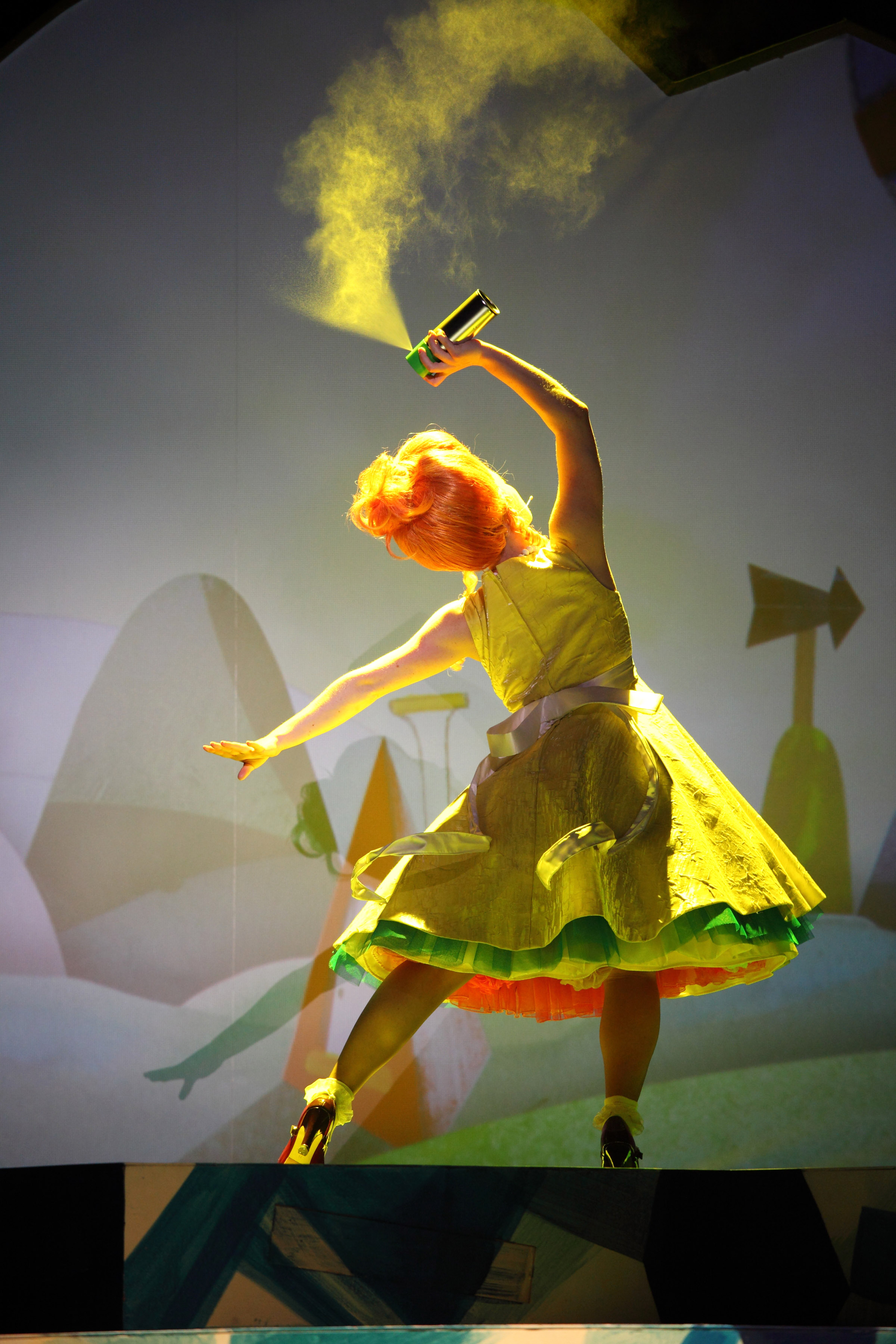 Windmill Theatre’s Wizard of Oz. Jude Henshall. Photo by Tony Lewis.
These plays range from re-imagined fairy tales and adaptations of favorite books to brand-new plays and electric new musicals about everything from physics to bullying to the American Civil War.
But how could theater, especially theater for young people, really matter in a world as fraught and disparity-scattered as ours?

The Amazing Adventures of Dr. Wonderful (And Her Dog!) at The Kennedy Center, Oct 2011Not to sound overly grand (too late), but so much of the toxicity in this world comes from a collective draining of empathy. We don’t understand each other, and we don’t want to. But theater invites us — no, forces us — to empathize.
As my friend Bill English of San Francisco’s SF Playhouse says, theater is like a gym for empathy. It’s where we can go to build up the muscles of compassion, to practice listening and understanding and engaging with people that are not just like ourselves. We practice sitting down, paying attention and learning from other people’s actions. We practice caring.
Kids need this kind of practice even more than adults do. This is going to be their planet and they’ve got more time to apply that empathy and make a difference. Buddhist roshi Joan Halifax challenges us to actively and specifically teach children (and vote for presidents with) empathy. Why not take your child to the theater to do just that.
In fact «Take A Child to the Theatre Today» is the campaign theme of The International Association of Theaters for Young Audiences for the next three years.
If you take a child to the theater, not only will they practice empathy, they might also laugh uproariously, or come home singing about science, or want to know more about history, or tell you what happened at school today, or spend all dinner discussing music, or learn how to handle conflict, or start becoming future patrons of the arts.
On March 20th, take a child to the theater. Take them all the time. And don’t «sit back, relax, and enjoy the show.» Lean forward, engage and start changing the world for the better.
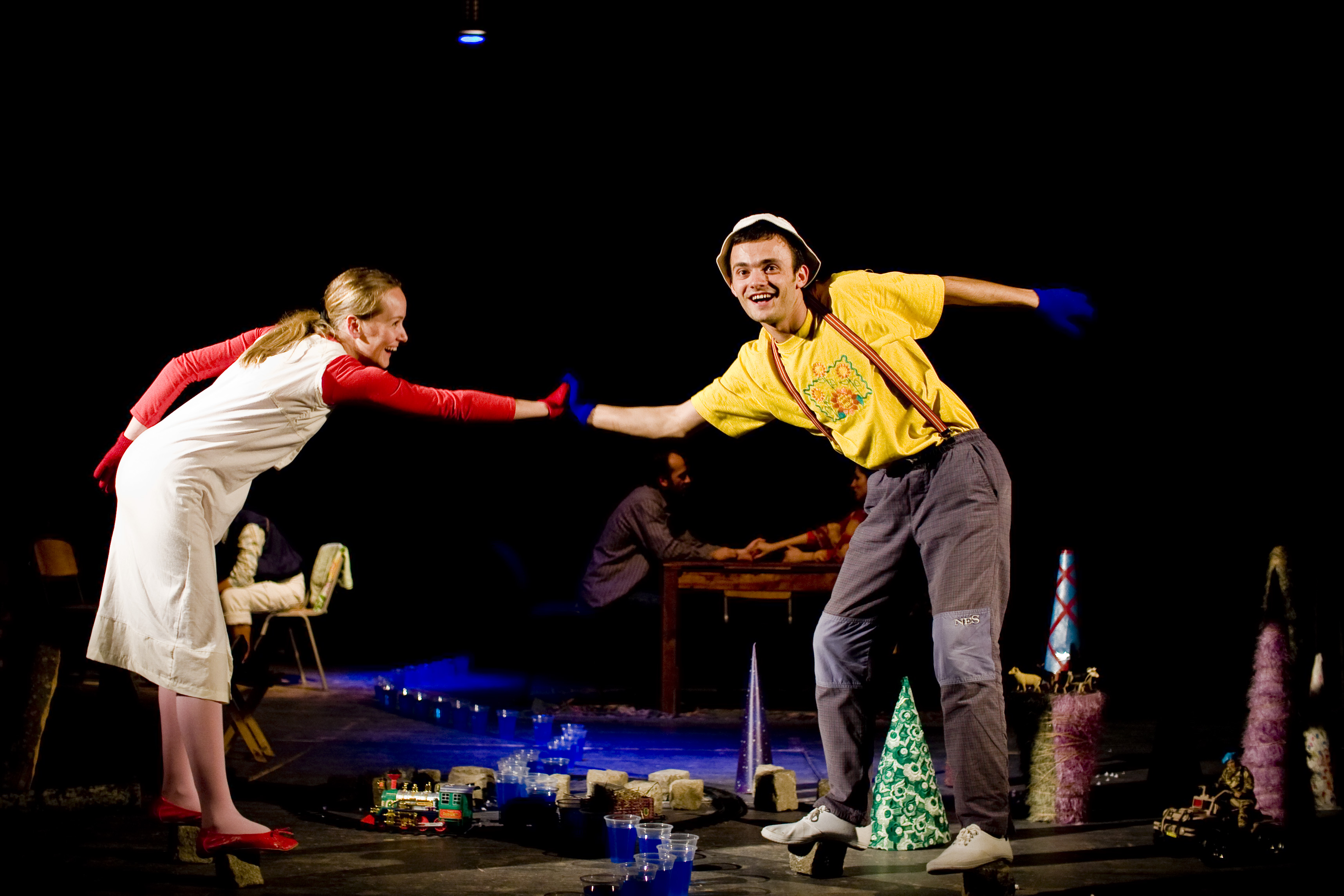
From Center For Children’s Theatre Development’s production of Madeleine’s War in KosovoLauren Gunderson: How Theater for Young People Could Save the World.
Versió catalana:
El 20 de marc és el Dia Mundial del teatre per a la Infància i els Joves. Alguns de vosaltres podríeu pensar «Déu meu, per què necessitem un dia per celebrar uns actors fent el tonto, vestint-se amb colors brillants i cantant de forma desagradable per a canalla inquieta i pares avorrits?»
Però si creieu que el Teatre per a la Joventut* és això, us esteu perdent un teatre veritablement potent, divertit, atrevit, atractiu, sorprenent que ben bé podria salvar el món.
Arreu del món hi ha artistes que estan creant una nova línia de Teatre per a Joves, que combina l’elegància de la dansa, les innovadores idees del teatre, la frescor de les noves interpretacions, el magnetisme dels titelles i l’estimulant energia de nous musicals. Els infants i joves tenen accés a més i més madures visions teatrals, que estan estrenant-se al DC Kennedy Center de Washington, el Synchronicity Theatre d’Atlanta, el Hadful Players de San Francisco, a Irlanda, a Adelaida, a Kosovo, a Ciutat del Cap…
Aquestes obres van des dels contes de fades reinterpretats i adaptacions dels llibres més populars, fins a nous títols teatrals i nous i ‘elèctrics’ musicals sobre tota mena de temes, des de la física, al bullying escolar o la Guerra Civil Americana.
Però, ¿com podria el teatre, especialment el teatre per als joves, ser realment important en un món tan carregat de coses i alhora tan dispers com el nostre?
No vull semblar massa grandiloqüent (ni massa ‘antiga’), però gran part de la toxicitat d’aquest món ve d’una pèrdua col·lectiva de l’empatia. No ens entenem l’un a l’altre, i no volem fer-ho. Però el teatre ens convida -no, ens obliga- a empatitzar.
Com diu el meu amic Bill English, del SF Playhouse de Sant Francisco, el teatre és com un gimnàs per a l’empatia. És el lloc on podem anar a enfortir els músculs de la compassió, a practicar l’escolta i la comprensió i el compromís amb les persones que no són exactament com nosaltres mateixos. Practiquem asseguts, prestant atenció i aprenent de les accions d’altres persones. Practiquem ‘dedicació’ als altres.
Els infants necessiten aquest tipus de pràctica, fins i tot més que els adults. Aquest acabarà sent el seu planeta, i tenen més temps per a aplicar l’empatia i fer-ho tot plegat diferent (de nosaltres). El budista Roshi Joan Halifax, ens desafia a ensenyar de manera activa i específica als infants (i votar als presidents amb) l’empatia. Per què no portar el seu fill al teatre, per fer precisament això?
De fet, «portar els infants al teatre d’avui» és el lema de la campanya de l’Associació Internacional de Teatres per al públic jove per als pròxims tres anys.
Si portes un infant al teatre, no només anireu a practicar l’empatia, també podreu petar-vos de riure, tornar a casa cantant sobre la ciència, volent saber més sobre la història, o t’explicarà el que va passar avui a l’escola, i passar-vos tot el sopar discutint sobre música, aprendre a manegar-se-les en els conflictes, o començar a convertir-se en un futur client de les arts.
El 20 de març, porta un infant al teatre. Pren-te tot el temps. I no vagis a «seure, relaxar-se i gaudir de l’espectacle.» Inclina’t cap endavant, participar i començar a canviar el món en positiu.
* quan parlem de Públic Jove, sempre ens referim a infants i adolescents, per sota dels 17-18 anys.
